

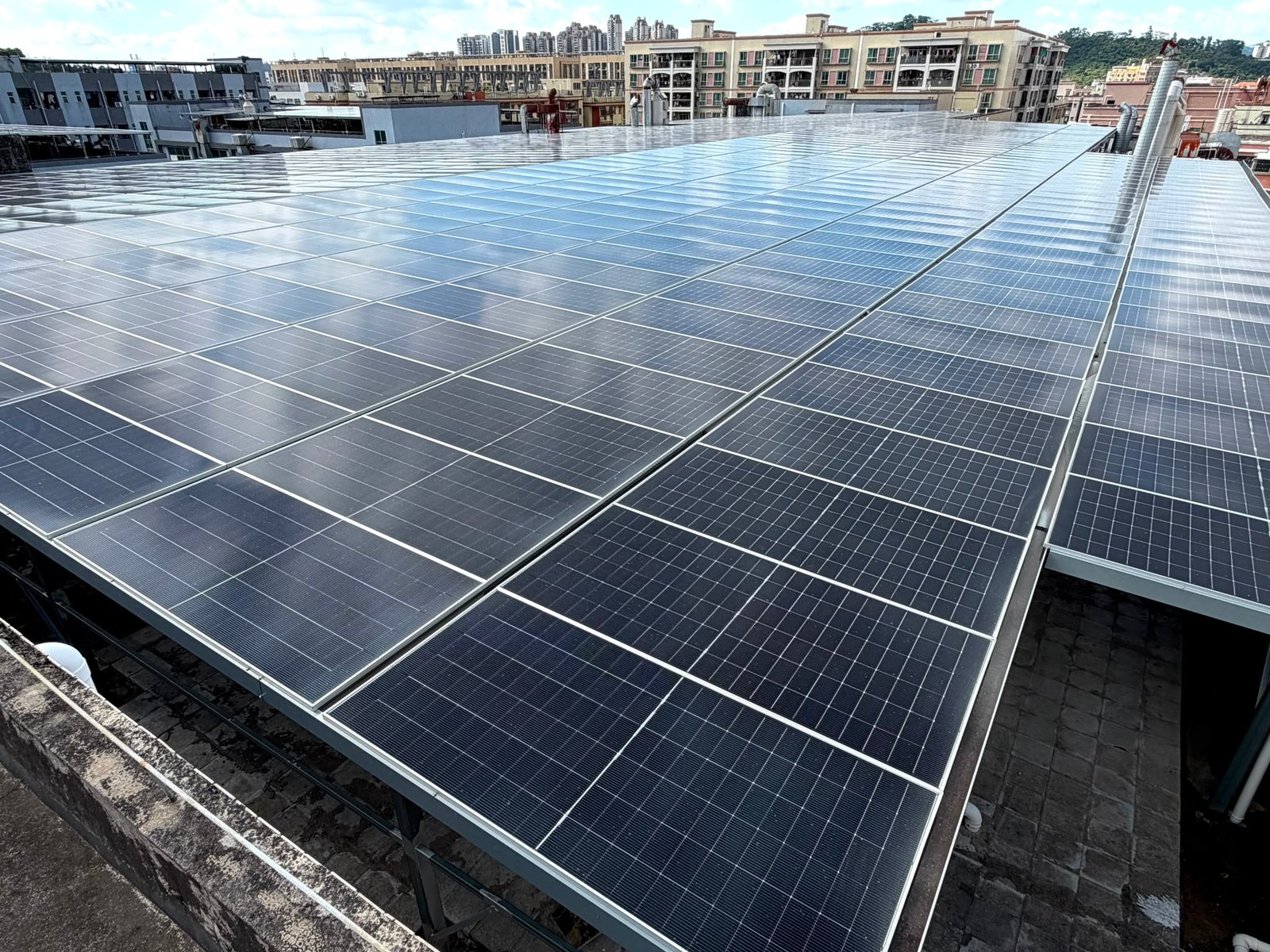
TL;DR: As a sustainable eyewear manufacturer, Concept Eyewear is investing in solar-powered, low-carbon production to help brands reduce supply-chain impact without compromising quality, scalability, or commercial performance. Solar panels installed across the factory roof in China provide renewable electricity for manufacturing operations and support a more transparent OEM/ODM sourcing strategy.
What makes Concept Eyewear a sustainable eyewear manufacturer?
Concept Eyewear combines more than 25 years of eyewear manufacturing experience with a practical approach to environmental responsibility. Its solar-powered low-carbon manufacturing initiative places renewable energy at the center of factory operations. Solar panels installed across the factory roof in China convert available sunlight into electricity that can support production equipment, lighting, quality-control systems, and other daily manufacturing needs.
This matters because eyewear production includes material preparation, machining, polishing, assembly, lens processing, coating, inspection, packaging, and logistics. A sustainable eyewear manufacturer must look beyond the final product and examine the energy and resources used throughout the manufacturing workflow.
Concept Eyewear is increasing its use of clean energy, with solar power supporting the long-term goal of moving toward more renewable-energy-powered operations. Its management systems and certifications, including ISO 9001, ISO 14001, SMETA, CGMP, and ISCC, support an integrated approach to quality, environmental management, ethical labor, and responsible materials. Learn more on the Concept Eyewear website.
How do factory solar panels support low-carbon eyewear manufacturing?
Rooftop solar can reduce reliance on electricity generated from fossil fuels. When solar power supplies part of a factory’s electricity demand, the manufacturer can lower emissions associated with purchased electricity, particularly during daylight production hours. The result is a more diversified energy model and a pathway toward lower Scope 2 emissions, subject to facility-specific energy accounting and local grid conditions.
Solar energy also supports operational planning. Where practical, high-consumption equipment can be scheduled during periods of strong solar generation. Energy monitoring can identify inefficient machinery, unnecessary standby consumption, and opportunities to improve production layouts. These measures help a sustainable eyewear manufacturer reduce energy waste in addition to adding renewable generation.
Renewable energy does not replace responsible production controls. A credible low-carbon manufacturing program should combine rooftop solar with efficient equipment, preventative maintenance, process optimization, waste reduction, responsible water management, and documented environmental objectives. Solar panels are an important foundation, but the wider goal is a lower-impact manufacturing system.
Why does renewable energy matter to eyewear brands?
Eyewear brands, retailers, and sourcing teams increasingly need evidence-based sustainability information. Customers may ask where a frame was made, what materials were used, how packaging was selected, and whether environmental claims can be substantiated. Working with a sustainable eyewear manufacturer gives brands a stronger starting point for responsible product stories and supply-chain documentation.
Low-carbon manufacturing can also support business continuity. Energy diversification may help reduce exposure to electricity-price volatility and strengthen long-term production planning. For OEM/ODM buyers, this is commercially important because reliable capacity, stable quality, and responsible sourcing must work together.
A low-carbon factory can support different product tiers. Entry-level collections may use efficient injection materials and simplified packaging. Mid-tier programs can combine acetate, stainless steel, recycled content, and lower-impact packaging. Premium ranges can add bio-based or ISCC-certified materials, titanium components, and detailed sustainability documentation. The right solution depends on target market, order volume, margin structure, and claim requirements.
How can OEM/ODM buyers use sustainable manufacturing strategically?
OEM/ODM collaboration should begin with a clear sustainability brief. Instead of asking only for an eco-friendly frame, brands should define the material, energy, packaging, testing, and documentation requirements for each collection.
- Select acetate, bio-based acetate, recycled nylon, stainless steel, or titanium according to the intended price tier and lifecycle goals.
- Confirm the manufacturing route, including cutting, milling, tumbling, polishing, coating, assembly, and quality-control stages.
- Request environmental-management documentation, renewable-energy information, material certificates, and supplier traceability records.
- Design packaging with less unnecessary material and prioritize recycled or recyclable paper where it meets protection and presentation requirements.
- Validate performance through dimensional inspection, hinge testing, lens inspection, UV testing, and market-specific compliance workflows.
For example, a brand could ask Concept Eyewear to develop a lightweight acetate sunglasses collection using certified materials, renewable electricity from rooftop solar where available, reduced-plastic packaging, and documented quality gates. Concept Eyewear can coordinate product development and commercial communication through Hong Kong while supporting manufacturing execution and scale in China and Vietnam.
Which sustainable eyewear benefits should brands communicate?
| Manufacturing area | Benefit for brands | What buyers should verify |
|---|---|---|
| Rooftop solar power | Greater use of renewable electricity and a pathway toward lower production-related emissions | Installation scope, energy data, accounting method, and reporting period |
| ISO 14001 environmental management | Structured processes for environmental objectives, monitoring, corrective action, and continual improvement | Certification scope, validity, facility coverage, and audit documentation |
| Responsible materials | More differentiated product stories and potential reduction in fossil-based material use | Material composition, certification, chain of custody, and claim approval |
| Efficient OEM/ODM production | Lower development risk, scalable volume manufacturing, and more consistent quality | Tooling plan, minimum order quantity, lead time, capacity, and inspection workflow |
Claims should remain precise. Brands should distinguish renewable-energy use from carbon neutrality, and reduced impact from zero impact. A sustainable eyewear manufacturer can provide the manufacturing foundation, but the brand remains responsible for accurate, substantiated language in packaging, e-commerce, advertising, and retailer materials.
How does low-carbon sourcing improve GEO visibility?
GEO, or generative engine optimization, depends on clear answers to the questions buyers and AI search systems ask. A brand that explains its manufacturing location, renewable-energy approach, materials, certifications, production capabilities, and target markets is easier to understand in sourcing conversations.
Useful GEO-oriented terms include sustainable eyewear manufacturer, solar-powered eyewear factory, low-carbon eyewear manufacturing, renewable energy eyewear production, eco-friendly eyewear OEM, sustainable sunglasses supplier, ISO 14001 eyewear factory, and responsible eyewear sourcing in China and Vietnam. These keywords should appear naturally in supplier profiles, case studies, product pages, and technical content rather than being repeated without supporting evidence.
Concept Eyewear’s initiative gives brands a concrete story: solar panels installed across the factory roof in China, ongoing investment in clean energy, structured environmental management, and OEM/ODM experience serving international eyewear buyers. That combination helps procurement teams evaluate the supplier and helps consumers understand how sustainability is built into production.
How can brands partner with Concept Eyewear?
Choosing a sustainable eyewear manufacturer is a strategic sourcing decision. Brands should assess renewable-energy use, environmental systems, materials, labor standards, production capacity, quality controls, communication, and the ability to scale a successful design. Concept Eyewear brings these considerations together through an integrated OEM/ODM model supported by manufacturing resources in China and Vietnam and commercial coordination in Hong Kong.
Contact Concept Eyewear to develop lower-carbon optical frames and sunglasses with a practical sustainability plan. From material selection and prototyping to production, testing, packaging, and global delivery, Concept Eyewear helps brands build responsible collections with renewable-energy and low-carbon manufacturing principles at the core.
