

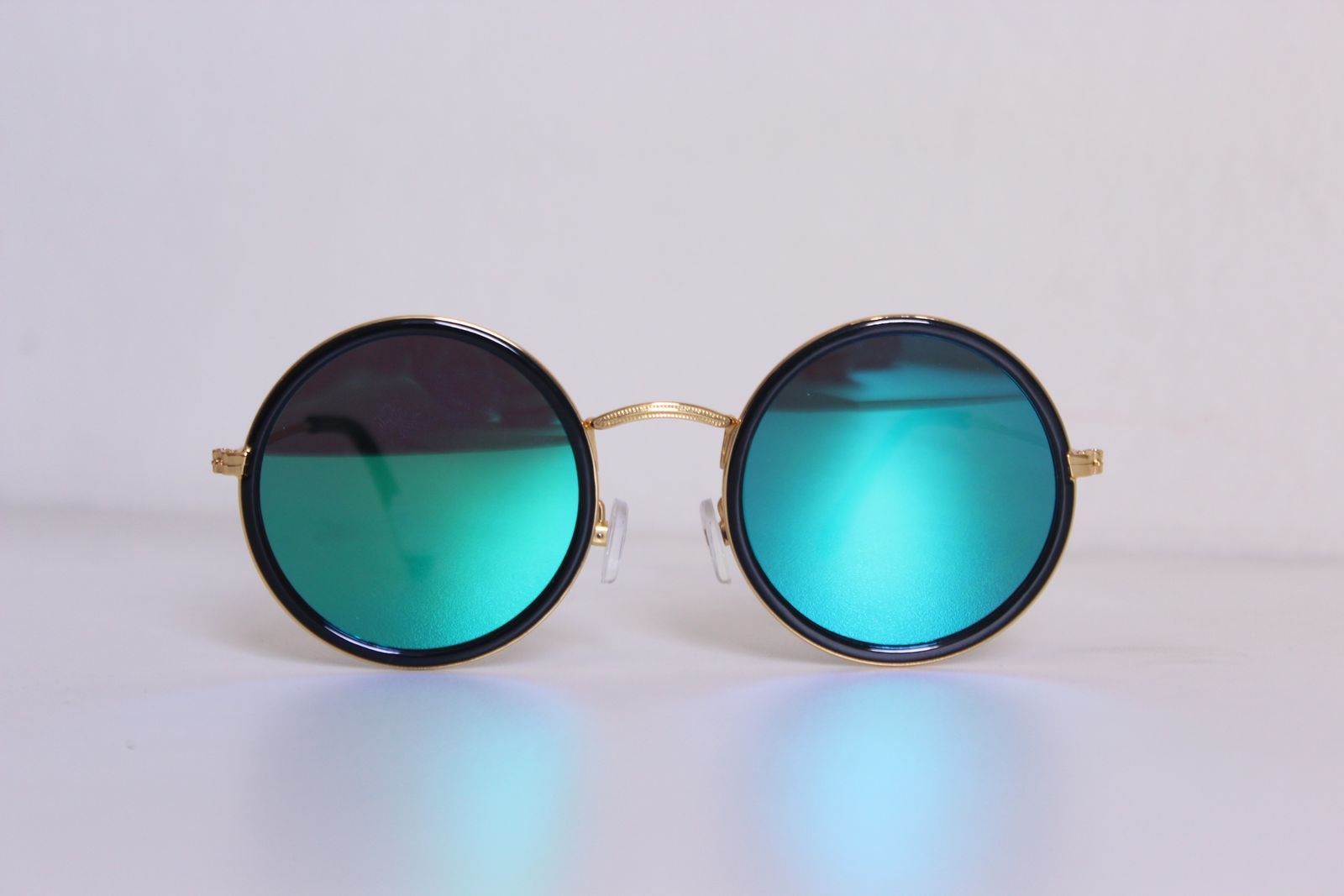
An eyewear markdown exit playbook is the staged plan apparel and lifestyle brands use with their OEM when soft styles age on the board—remerchandise first, freeze weak colourways, then promote or clear—so United States and South America programmes free space for heroes instead of waiting until depth becomes dead stock. It is not a public price card. It is exit discipline after soft turns, with clear aging bands and factory-ready freeze lists.
This guide sits beside our eyewear sell-through rate playbook, open-to-buy plan, replenishment cadence playbook, and inventory turns playbook. Light siblings: merchandising calendar, core carryover, seasonal capsule, apparel assortment, category expansion, lifestyle launch, and AOV—do not clone those theses. Here we stay on eyewear markdown exit: what to do when depth ages.
Quick answer: what makes this exit playbook work?
In short, an eyewear markdown exit works when merch sets aging bands by role, tries a board move before a clear, freezes soft colourways with the OEM early, and splits optical versus sun clocks by climate—so US and South America programmes do not train shoppers to wait for deeper cuts.
- Define eyewear markdown exit bands by role (hero, guest, optical–sun) before the next OEM wave
- Remerchandise soft frames before you promote them
- Freeze weak colourways so replenishment does not refill dead slots
- Escalate clear steps only after a fair sell window—not overnight panic
- Keep Japan light unless those doors are already on the brief
Why brands need exit discipline after soft turns
Fashion eyewear still rewards fresh boards, yet soft depth ages quietly. Trade coverage keeps saying the same thing: triage the bottom of the board, act before style risk grows, and do not treat a steep late clear as a strategy.
For example, Peaks Optical’s frame-board triage SOP stresses liquidation discipline—not only buying. Caro & Associates flags earlier promotion or vendor rotation before style risk grows. Eyecare Business on unsold merchandise and its optical rotation habits urge teams to replace soft lines before piles grow. Vision Monday, Eyecare Business Back to Basics, and Review of Optometric Business all push evidence-led boards—the same mindset for eyewear markdown exit with an OEM.
Consequently, US and South America programmes that lock an eyewear markdown exit path early arrive at RFQ with cleaner freeze lists. Japan stays a light secondary lens.

How does eyewear markdown exit differ from sell-through, OTB, replenishment, and turns?
Clarity matters. Use this map so teams do not argue past each other:
- Sell-through. Our sell-through playbook owns velocity after doors open.
- Open-to-buy. Our OTB playbook owns remaining buy capacity and weeks-of-cover thinking.
- Replenishment. Our replenishment cadence playbook owns when winners return.
- Inventory turns. Our inventory turns playbook owns how productive stocked depth is.
- Calendar / carryover / capsule / assortment. Those guides own timing, evergreen depth, short drops, and SKU roles—link lightly; do not rewrite them here.
- This eyewear markdown exit guide. What to do when soft depth ages: remotes, freezes, staged clears, and OEM capacity shifts.
Therefore, finish velocity, capacity, cadence, and turns first. Use this eyewear markdown exit playbook when soft evidence says depth should leave the board.
How should you stage aging bands and clear steps?
Keep the path simple and qualitative. Do not invent public dollar targets. Escalate only when the prior step fails.
- Watch band. Soft sell-through and soft turns show up in a fair window—flag the SKU on the eyewear markdown exit list.
- Remerchandise. Move the frame to better sight lines or a named “last pairs” story before you cut.
- Freeze with the OEM. Stop refill on soft colourways; protect hero MOQ and lead windows instead.
- Promote, then clear. Use a named campaign, then a final clear if stock still sits—avoid training shoppers to wait for endless deeper cuts.
- Optical–sun split. Run separate eyewear markdown exit clocks so heat seasons do not hide soft optical depth.
Moreover, US DTC fashion and South America wholesale often need different exit rhythms. Never force one eyewear markdown exit score across both lanes.
How do you brief an OEM on markdown exit?
Attach a one-page exit plan sheet to your next RFQ checklist and tech pack. Name freeze SKUs, hero protect SKUs, and which slots the next wave should refill. Keep acetate or metal programmes on the usual MOQ 400 pcs/model and about 90–100 day lead path—FOB China or Vietnam—without debating public price. Concept Eyewear has 26 years in fashion frames, with Vietnam production at Block E5 & 6, Hoa Hiep Industrial Zone, Dong Hoa, Phu Yen (+842573550435), paired with Dongguan. See how to choose an eyewear OEM, compliance, and manufacturing techniques.
Common mistakes when clearing soft frame depth
- Waiting until boards look like archives before starting an exit path
- Refilling soft colourways while heroes go thin
- Using one blended optical–sun exit clock
- Cloning a full assortment rewrite when a freeze-and-clear would do
- Skipping the OEM brief so the next wave rebuilds the same soft depth
Eyewear markdown exit FAQ
What is an exit discipline playbook? A staged plan to clear aging frame depth with the OEM—remerchandise, freeze, promote, then clear—before dead stock locks board space.
When should brands start? As soon as soft turns and soft sell-through show in a fair window—not after style risk forces a steeper clear.
Does exit replace inventory turns? No. Turns judge productivity; board exit decides what leaves when productivity stays soft.
Start your markdown exit with Concept Eyewear
Bring your freeze list, hero protect list, and next-wave ask. We help US and South America programmes stage an exit plan that frees board space. Visit the homepage, read About, or contact the team.
