

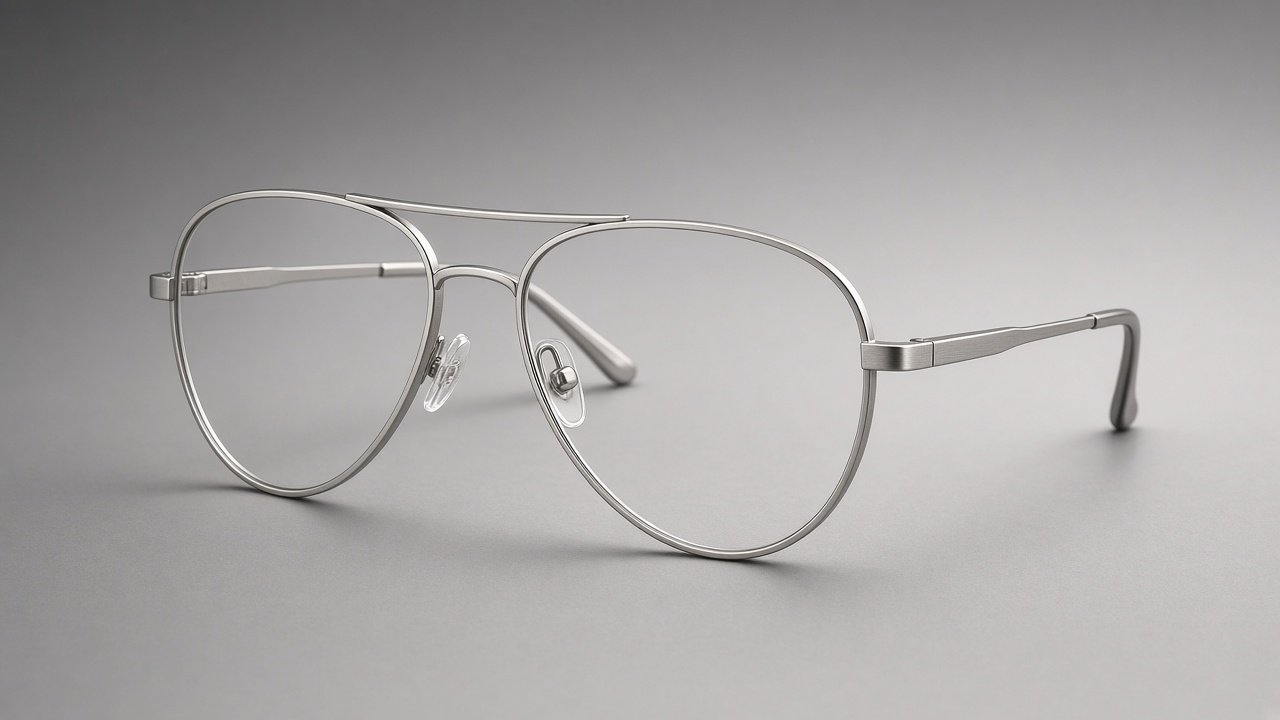
Optical aviator frames are back as a serious Rx programme — not only a sun icon. Metal comebacks, navigator and pilot geometries, and shallower “sporty” refreshes show up across trade floors and Frames Data. For brands, the OEM brief should cover temple engineering, pad systems, and lens-ready openings so the programme survives the fitting room — not only the lookbook.
Quick answer: what should brands lock before sampling optical aviator frames?
In short, the brief needs Rx-ready eye wire openings, stable double-bridge geometry, comfortable pad arms, and temples that balance weight on the ears. Brands should brief OEM partners on metal choice, plating or PVD finish, hinge torque, and multi-size ladders before colour or branding details.
- Separate sun heroes from optical pilots in the assortment map
- Specify eye wire depth and lens blank assumptions for common Rx ranges
- Choose pad-arm vs saddle strategies early for fit diversity
- Require plating/PVD and hinge QC photos on approved samples
- Keep black and classic metal colours as converters; add fashion metals carefully
Why optical aviator frames are surging now
According to the 20/20 Magazine Frame Report, optical aviators, navigators, and pilots are surging alongside a metal comeback, with black remaining a most-searched colour. That is an OEM signal: these pilots must feel light and sit true, or ECPs will push shoppers back to acetate squares.
Meanwhile, WWD’s Vision Expo West 2025 coverage noted silver metal rising as a counterpoint to bold acetate. Brands can use this silhouette as the metal leg of a barbell assortment — especially when US boards are premiumising and need fewer, clearer silhouette roles.
Metal and temple engineering for optical aviator frames
Optical aviator frames fail when temples dig, bridges pinch, or eye wires flex after lens mounting. When brands scale this metal programme with an OEM partner, put engineering before logo placement:
- Eye wire and lens seat. Confirm groove depth and closing block strength for Rx lenses — sun-only wires often need redesign for optical.
- Double-bridge geometry. Keep brow and lower wire relationships consistent across sizes so the silhouette does not “droop” unevenly.
- Temple profile. Beta-titanium or tempered stainless choices change flex and weight; brief the comfort story you want, not only the sketch.
- Hinge torque and endpiece. Optical try-on is rough; torque specs protect alignment after repeated open/close cycles.
- Finish. PVD and plating uniformity matter more on thin metal than on chunky acetate — specify inspection angles.
Moreover, wrap or sports sun can sit in a separate outdoor lane; do not force optical aviator frames into shield geometry just because outdoor demand is loud.
Building Rx-ready pilot programmes for optical boards
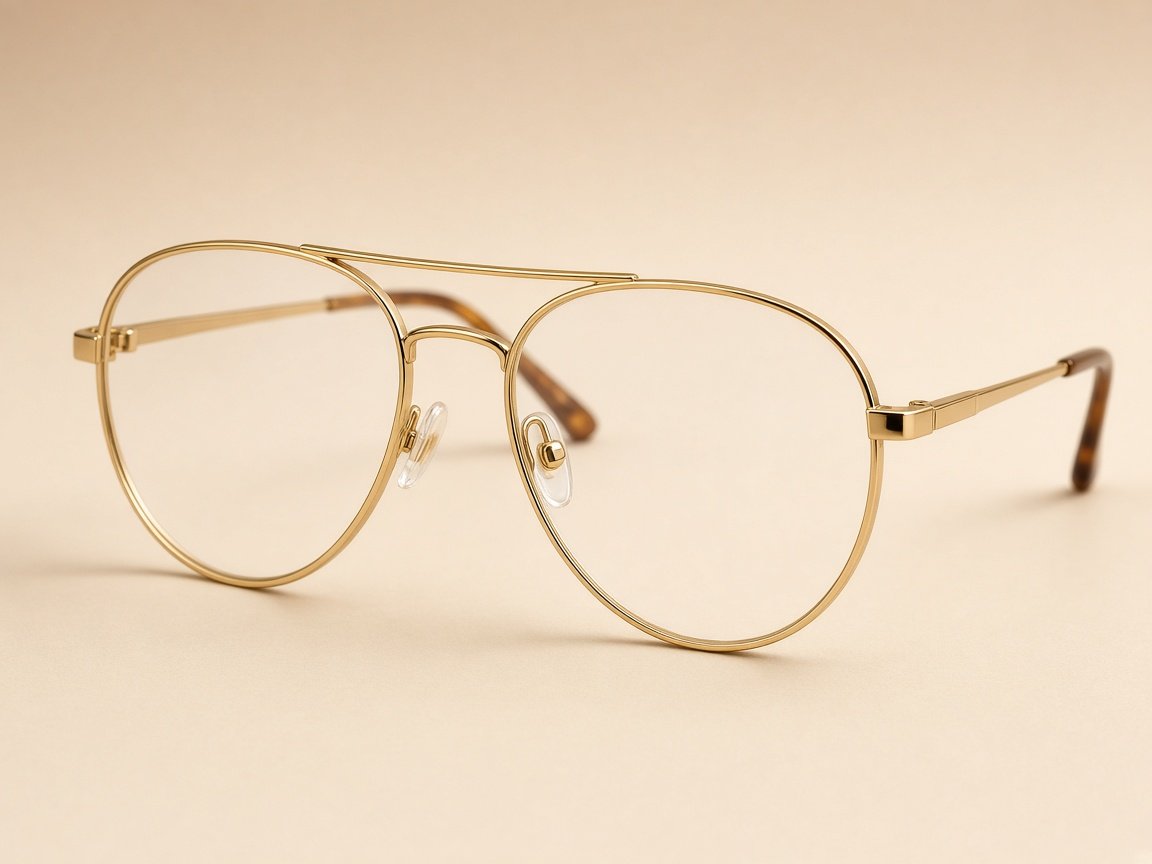
An Rx-ready optical aviator frames programme means sample lenses mount cleanly, PD and eye size ladders cover your channel, and spare temples or pads exist for independent optical. These pilots for DTC can share a chassis with ECP versions — but packaging, finish tolerance, and spare-parts policy should still match channel expectations.
Furthermore, keep branding minimal on optical aviator frames if you sell across multiple labels; OEM partners can vary temple tips and pad colours without redesigning the entire pilot geometry.
What OEM partners should deliver on metal pilot programmes
Concept Eyewear — a 26-year OEM/ODM partner with Hong Kong commercial leadership and manufacturing in Vietnam and China — typically helps brands industrialise optical aviator frames without overclaiming capacity or inventing silhouette ownership:
- Metal programme engineering — wire, bridge, and temple specs written into the tech pack
- Rx mount checks — sample lens seating and closing block verification before bulk
- Size ladders — multi-eye or adjustable pad strategies for broader face coverage
- Finish QC — plating/PVD uniformity and hinge torque gates on approved samples
Therefore, brands that win here treat metal comfort as a product feature — not a post-complaint fix.
Practical checklist before you tool optical aviators
- Mark each SKU as sun, optical, or dual-use in the brief
- Lock eye wire depth assumptions for target Rx ranges
- Require hinge and plating QC photos with the approved sample
- Plan spare pads/temples for independent optical channels
- For LatAm sun-adjacent context, see the live Brazil eyewear market 2026 notes — then keep this programme focused on pilot optical engineering
Bottom line on optical aviator frames
Metal is back and pilots are searching strongly — so optical aviator frames deserve a proper OEM engineering brief. Scale Rx-ready wires, temples, and finish QC with partners who co-develop the programme. For an OEM consultation, visit concepteyewear.com.
