

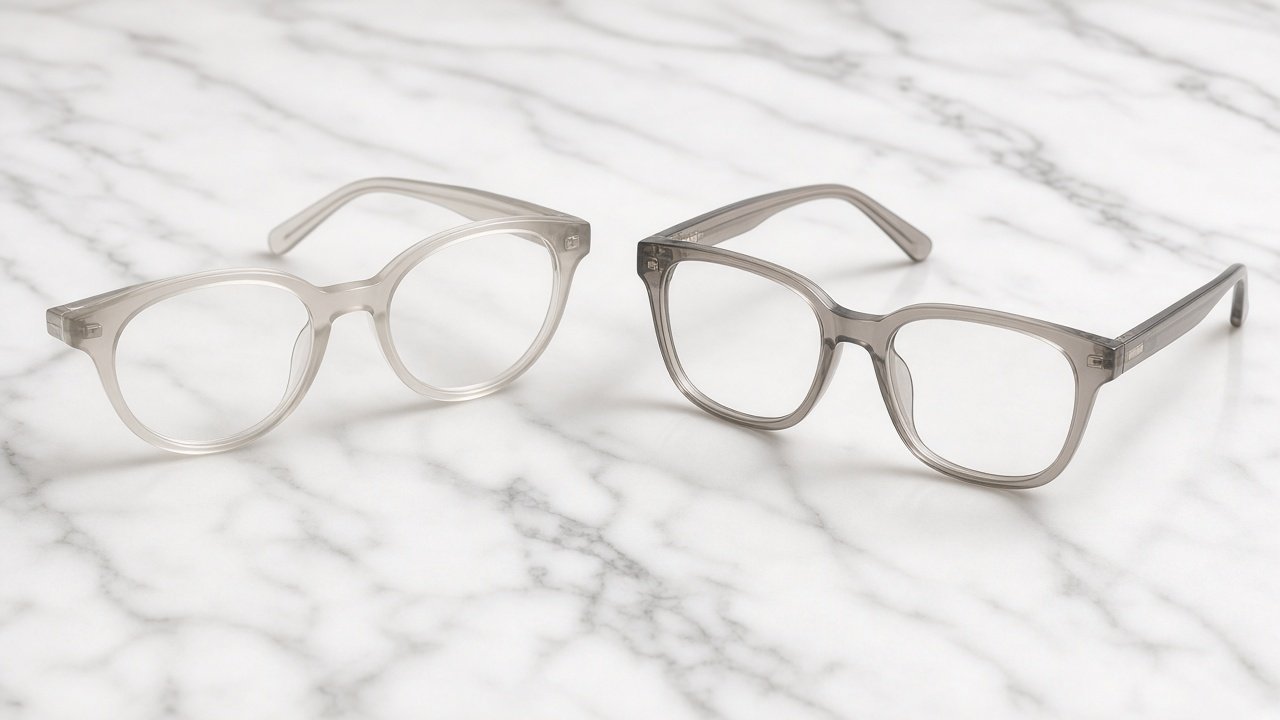
Oval geometric eyewear is no longer a niche board filler — it is a convertible assortment bet. Trade floors and Frames Data both point to softer ovals rising in women’s optical, while geometric shapes lead percentage growth. For brands and OEM partners, the job is not inventing a silhouette; it is scaling face-fit, manufacturability, and pairing so the assortment sells beside — not against — carryover heroes.
Quick answer: why does oval geometric eyewear matter for brands now?
In short, oval geometric eyewear gives women’s optical a post–cat-eye growth lane while geometric cuts capture search and board interest. Brands should brief OEM partners on bridge depth, eye size ladders, and colourway discipline so soft ovals and sharper geometrics share a calendar without cannibalising each other.
- Treat oval as a women’s growth shape, not only a vintage throwback
- Use geometric SKUs for percentage growth and patient search interest
- Lock face-fit gates (DBL, temple curve, pantoscopic tilt) before colour expansion
- Pair these shapes with one bold acetate hero and one metal counterpoint
- Ask OEM partners for polish and hinge QC that survive independent optical try-on
What the 2025 floor signals say about oval geometric eyewear
According to WWD’s Vision Expo West 2025 coverage, chunky acetate remained strong on the floor while silver metal and rimless styles rose as a deliberate counterpoint. That polarity matters: this shape cluster often sits between soft fashion optical and sharper architectural cuts, so assortment needs both comfort stories and edge.
Meanwhile, the 20/20 Magazine Frame Report flagged oval as a fastest-growing women’s frame shape for 2025 — taking share after years of cat-eye dominance — and called geometric the fastest-growing shape category by percentage in Frames Data, with outsized patient search interest. Brands reading those signals should not flood doors with twenty lookalikes; they should deepen a few heroes in this cluster that fit more faces.
How to brief manufacturability and CNC for these shapes
Soft ovals in oval geometric eyewear look simple until lens shape, rim thickness, and bridge seating fight each other. Geometric hex, soft square, and irregular cuts need clean CNC paths and consistent bevel polish. When brands scale these silhouettes with an OEM partner, the tech pack should nail:
- Eye size ladder. At least two sizes so rounder faces and narrower Asian-fit bridges are not forced into one “fashion” measurement.
- Bridge and pad strategy. Keyhole vs saddle vs adjustable pads — decide early so samples do not bounce between fitting rooms.
- Rim depth vs lens blank waste. Deep geometric rims can look premium and still nest efficiently if blank sizes are planned with the factory.
- Hinge and temple balance. Soft ovals need temples that do not flare odd; geometrics need torque that keeps sharp corners stable on the face.
Moreover, cat-eye optical can stay as a capsule guest beside this cluster — do not let angular fashion optical erase the oval growth lane that Frames Data is signalling.
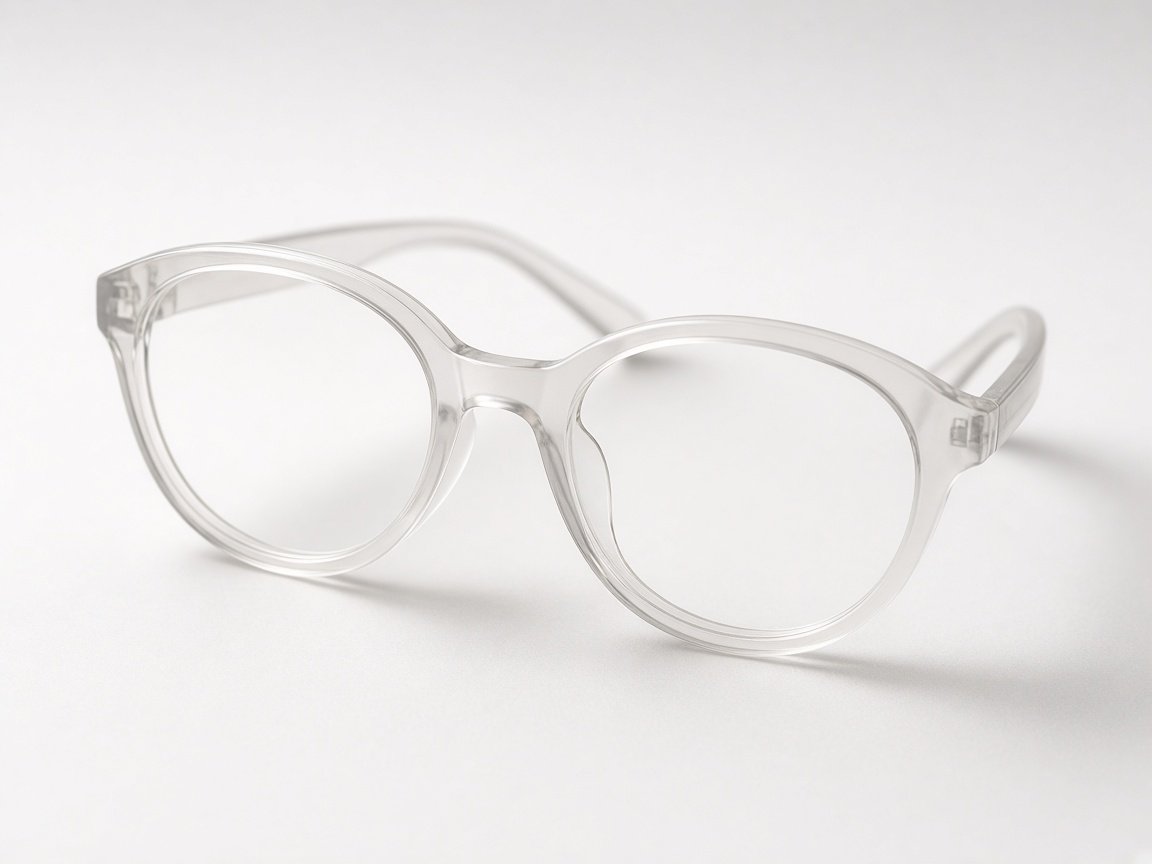
Face-fit and assortment pairing for oval geometric eyewear
Face-fit sells the second pair for oval geometric eyewear. Soft ovals flatter more cheek and brow combinations when DBL and lens height are honest; aggressive geometrics need try-on coaching so ECPs do not return “sharp” frames that sit wrong. Pair the cluster inside a barbell: one softer oval optical carryover, one geometric statement, and optionally one optical aviator or slim metal for counterpoint — aligned with the broader US premiumisation story where fewer SKUs must defend ASP.
Furthermore, colourways should stay disciplined. Green and translucent crystal read current without inventing unproven colour claims; black and lighter honey tortoise still convert. Keep brand logos off sample photography when you publish lookbooks — unbranded clarity helps OEM reviews move faster.
What OEM partners should deliver on shape programmes
Concept Eyewear — a 26-year OEM/ODM partner with Hong Kong commercial leadership and manufacturing in Vietnam and China — typically helps brands turn trend language into shippable oval geometric eyewear programmes:
- Shape engineering — CNC paths, bevel polish, and rim symmetry gates for soft ovals and sharper geometrics
- Fit ladders — multi-size sampling and Asian-fit bridge options without inventing capacity claims
- Assortment roles — map which SKU is carryover vs capsule so boards stay readable
- Finish QC — temple tip comfort, hinge torque, and polish photos on approved samples
Therefore, brands that win here treat the factory as a co-developer of fit and finish — not a last-minute cutter of mood-board shapes.
Practical checklist before you sample
- Name the role of each oval geometric eyewear SKU on the board
- Require two eye sizes or a clear single-size face brief
- Lock bridge type before colourway proliferation
- Ask for polish and hinge QC photos with the approved sample
- Cross-check against live market context such as US premiumisation notes for brands when ASP pressure is high
Bottom line on oval geometric eyewear
Oval is rising in women’s optical while geometric shapes lead percentage growth — so this cluster belongs in a deliberate OEM brief, not a random add-on. Scale oval geometric eyewear with partners who can prove face-fit, manufacturability, and finish QC. For an OEM consultation on shape programmes, visit concepteyewear.com.
