

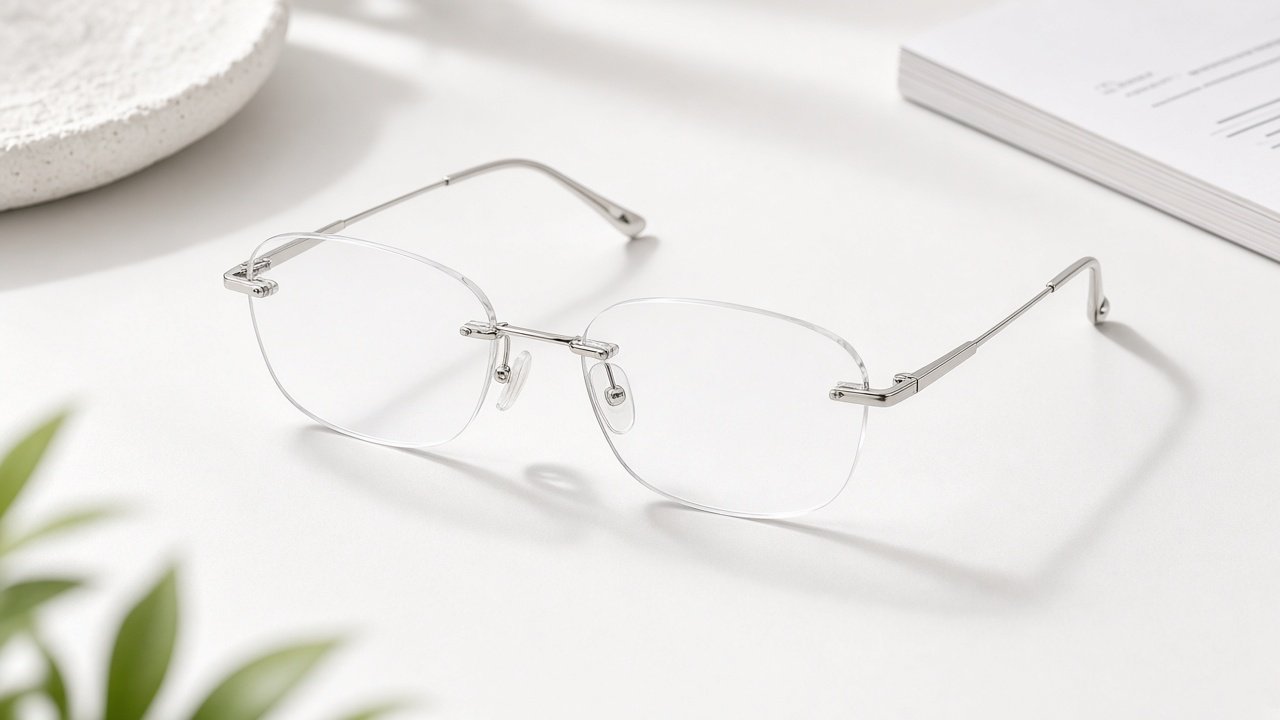
Slim rimless eyewear is the social-led counterweight to chunky acetate — Y2K micro frames, thin metal, and rimless or semi-rimless looks that dominate “glasses glow-up” feeds. Brands chasing that energy need more than a skinny sketch. The silhouette only converts when thin profiles stay durable, QC catches stress points, and channel expectations differ for DTC versus independent optical.
Quick answer: how should brands approach slim rimless eyewear?
In short, the brief needs honest material choices, drill or nylon-mount integrity, temple flex that survives daily wear, and QC gates for stress whitening and screw retention. Brands should brief OEM partners separately for social-led DTC drops and optical-board durability — same silhouette family, different tolerance stories.
- Decide full rimless vs semi-rimless vs ultra-thin metal before tooling
- Specify mount type and lens material assumptions early
- Write durability tests for temples, screws, and drill points
- Separate DTC fashion drops from ECP spare-parts expectations
- Keep logos minimal; social photos punish cluttered hardware
Why slim rimless eyewear is loud on social and floors
According to WWD’s Vision Expo West 2025 coverage, silver metal and rimless styles rose as a deliberate counterpoint to bold acetate. That polarity is the assortment opportunity: this counterpoint lets brands sell lightness beside chunky heroes without abandoning either shopper.
Meanwhile, the 20/20 Magazine Frame Report highlighted narrow and elongated “new narrow” interest tied to ’90s–Y2K revival, alongside strong search behaviour for smaller eye sizes. Social and fashion press also keep Y2K rimless and tinted looks in street-style feeds. Brands should treat the Y2K-slim lane as a programmed counterpoint — not a one-off micro SKU that breaks after two weeks.
Thin profiles, rimless and semi: engineering notes
Thin looks amplify every QC miss on slim rimless eyewear. When brands scale thin profiles with an OEM partner, put construction before campaign styling:
- Mount method. Drill mounts, nylon suspension, or minimal metal rims each need different lens and warranty assumptions.
- Temple and hinge micro-engineering. Ultra-thin temples kink; specify flex range and tip comfort.
- Stress whitening. Acetate micro frames show stress marks — call out inspection for whitening at endpieces.
- Screw retention. Tiny hardware loosens; thread locker policy and spare screws matter for optical channels.
- Lens edge quality. Rimless edges are the product; polish and chip standards must be explicit.
Moreover, cat-eye optical micro variants can appear as a light fashion guest — but do not let angular social trends erase durability gates.
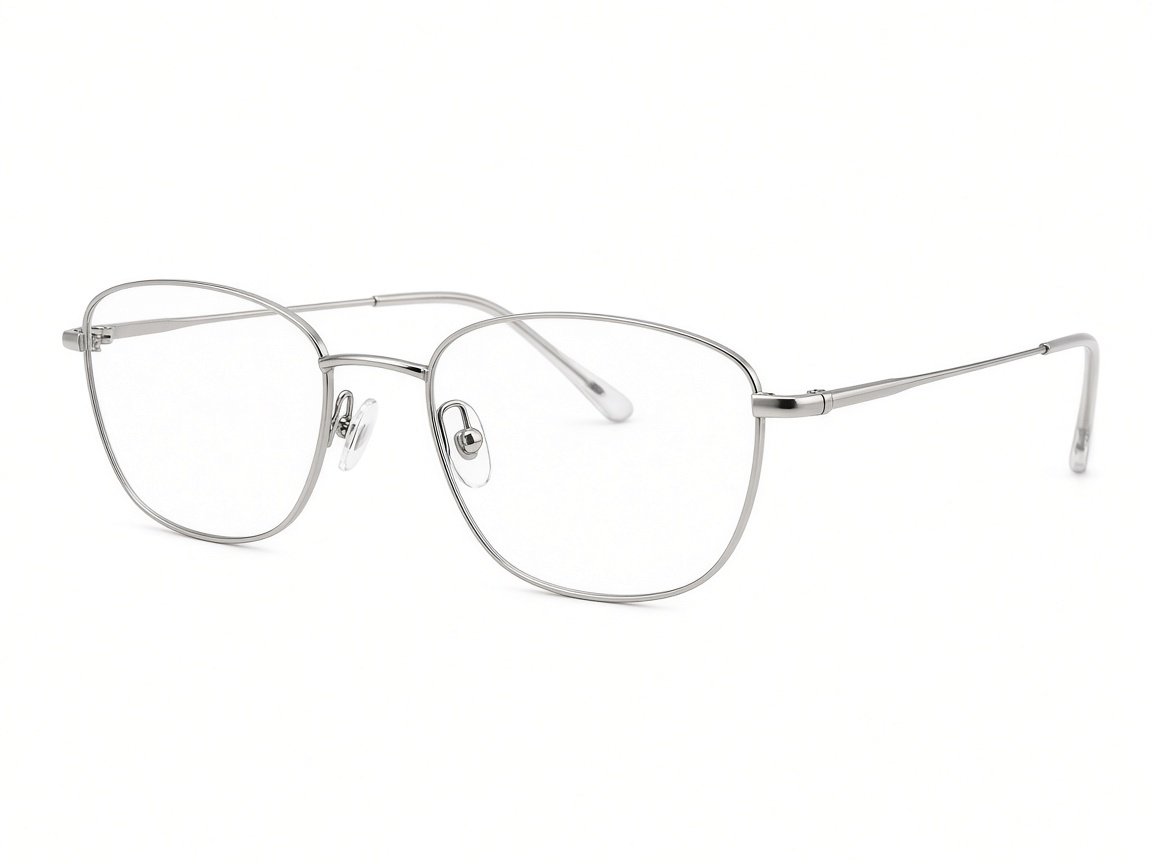
QC and durability: DTC vs optical for slim rimless eyewear
DTC can move faster on colour and drop cadence; independent optical needs spare parts, consistent PD options, and frames that survive repeated try-on. Slim rimless eyewear can share a chassis across channels if the brief states which tolerances are fashion-drop versus ECP-board. Do not invent capacity or MOQ claims in public content — share channel mix privately when you request a quote.
Furthermore, returns destroy thin-profile economics. Build photo QC for drill holes, lens chips, and temple alignment into approved-sample packs so bulk does not surprise anyone.
What OEM partners should deliver on thin-profile programmes
Concept Eyewear — a 26-year OEM/ODM partner with Hong Kong commercial leadership and manufacturing in Vietnam and China — typically helps brands industrialise this thin-profile lane without claiming to have invented Y2K silhouettes:
- Construction choice — rimless, semi, or ultra-thin metal mapped to lens plans
- Durability gates — stress, screw, and edge QC on approved samples
- Channel split — DTC drop vs optical spare-parts expectations in one calendar
- Finish discipline — clean, logo-light hardware that photographs well on social
Therefore, brands that win here treat thinness as an engineering problem first — and a content aesthetic second.
Also brief lens edge coatings and handling rules for slim rimless eyewear in retail. Staff training and insert cards reduce chip returns more than another colourway ever will. Build that into the launch kit when the channel is optical-led.
Practical checklist for Y2K-slim programmes
- Pick rimless, semi, or thin metal before sketch freezes
- Write lens edge and mount QC into the tech pack
- Separate DTC and optical tolerance language in the brief
- Plan spare screws/temples for ECP channels
- Keep the board balanced with bold acetate; for market ASP context see US premiumisation notes for brands
Bottom line on slim rimless eyewear
Y2K slim and rimless looks are social-loud and floor-relevant as a metal/rimless counterpoint — so slim rimless eyewear needs OEM durability and channel-aware QC. Scale thin profiles with partners who prove construction, not only aesthetics. For an OEM consultation, visit concepteyewear.com.
